

UAE airlines expand global networks across four continents
Emirates, Etihad, flydubai and Air Arabia add routes in major worldwide expansion
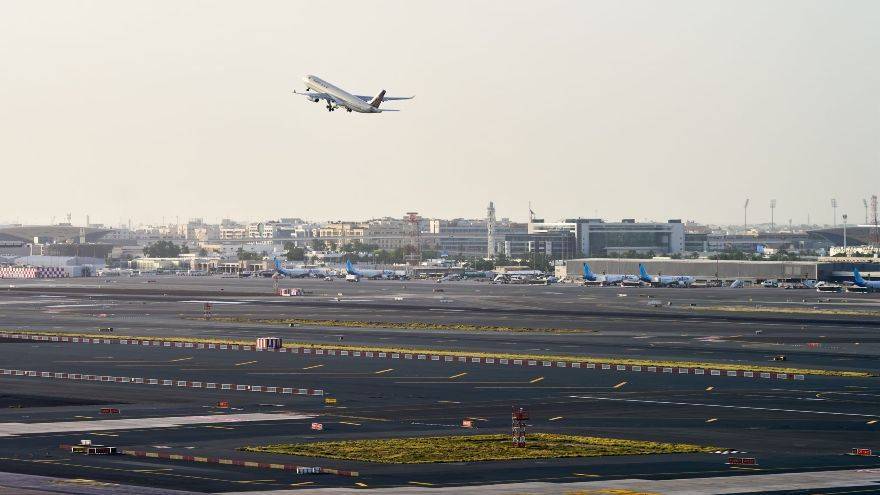
DUBAI – The UAE's aviation sector is gathering momentum in 2026 as the country's four national carriers continue to expand their international reach with new destinations, additional flights and stronger global partnerships.
The latest wave of growth is reinforcing the UAE's position as one of the world's leading aviation and transit hubs while giving travellers more choices across Europe, Asia, Africa and the Middle East.
Driven by rising demand from residents, tourists and transit passengers, Emirates, Etihad Airways, flydubai and Air Arabia are each pursuing distinct expansion strategies. While some airlines are focusing on launching long-haul services and entering new markets, others are strengthening connectivity to underserved destinations, increasing frequencies on busy routes and widening codeshare agreements that allow passengers to travel far beyond their own networks.
The combined expansion reflects the country's growing role as a gateway linking East and West, supported by modern airports, extensive airline partnerships and year-round travel demand generated by the UAE's diverse population of more than 200 nationalities.
Emirates
Emirates continues to strengthen its long-haul network from Dubai, adding new destinations while increasing capacity on some of its busiest international routes.
The airline, which serves around 140 destinations across six continents, will launch a daily Dubai-Helsinki service on October 1, creating the only year-round direct air connection between the UAE and Finland.
Alongside the new Nordic route, Emirates has expanded capacity on several established services. The carrier has introduced a second daily flight to Copenhagen, while also adding extra daily services to Phuket and Cape Town to meet increasing passenger demand.
Growth has also come through commercial partnerships that significantly extend Emirates' global reach beyond its own aircraft.
By the end of March 2026, Emirates had 32 codeshare partners and 117 interline partners, allowing customers to access more than 1,700 destinations worldwide through a single travel network.
Its long-standing partnership with flydubai has become one of the airline's strongest connectivity tools, giving passengers seamless access to more than 240 destinations in over 100 countries, including through check-in and baggage transfers on eligible itineraries.
Etihad Airways
Etihad Airways is continuing one of its fastest international expansion programmes in recent years, adding destinations across Europe, Africa and the Middle East from its Abu Dhabi hub.
The airline has already introduced flights to Krakow, Palma de Mallorca, Damascus and Zanzibar, while restoring seasonal services to Mykonos, Malaga, Santorini, Nice and El Alamein.
Its ambitions extend further across Africa, with plans to launch services to Accra, Asmara, Harare, Kinshasa, Lagos and Brazzaville, further strengthening Abu Dhabi's links with one of the world's fastest-growing aviation markets.
Etihad has also announced a 10 percent increase in summer capacity compared with last year, reflecting continued growth in international demand.
The airline is simultaneously expanding its commercial partnerships.
New agreements include a codeshare partnership with Uzbekistan Airways and an interline agreement with Air Peace, giving passengers access to 20 additional destinations across Nigeria and West and Central Africa via Lagos and Accra.
Overall, Etihad's partnership network now includes 46 codeshare airlines and more than 130 interline partners, providing customers with access to over 350 destinations worldwide.
flydubai
flydubai continues to focus on markets that previously had limited or no direct links with Dubai, steadily expanding its footprint across emerging and underserved destinations.
The airline now serves more than 120 destinations in 58 countries.
In June, flydubai launched services to Benghazi, before introducing flights to Bangkok in July. Strong demand prompted the airline to increase the Bangkok service to twice daily only weeks after its launch.
The carrier has also resumed flights to Aleppo and will begin daily services to Pokhara in Nepal later this year, adding another destination to its growing South Asian network.
Since its launch, flydubai says it has opened more than 100 routes that previously had no direct connection with Dubai or had not been served by a UAE national carrier, reinforcing its strategy of linking underserved markets with the emirate.
The airline's partnership with Emirates also continues to strengthen Dubai's role as a global connecting hub by offering passengers smoother onward journeys across an extensive international network.
Air Arabia
Air Arabia has continued expanding both its European network and regional operations from Sharjah and Abu Dhabi.
The airline recently launched twice-daily flights to London Gatwick, while also introducing services to Rome Fiumicino, further expanding its European presence.
It has also resumed direct services to Aleppo, restoring another important regional connection.
Meanwhile, Air Arabia Abu Dhabi has added Aleppo and Amman Civil Airport to its network while increasing services to Damascus, strengthening air links between the UAE and the Levant.
The expansion reflects Air Arabia's continued focus on offering affordable travel options while widening connectivity across key regional and international markets.
Global partnerships
The UAE carriers' growth story extends well beyond launching new routes.
Airlines are increasingly relying on codeshare and interline agreements to provide passengers with access to destinations that are not served directly by their own fleets.
These partnerships allow travellers to book single itineraries covering multiple airlines while benefiting from through check-in and baggage transfers on eligible journeys.
For international travellers using the UAE as a transit point, the growing web of airline partnerships significantly increases travel options and simplifies journeys across multiple continents.
Combined with expanding route networks and increased flight frequencies, these agreements are helping position the UAE among the world's most connected aviation markets.
The expansion by Emirates, Etihad Airways, flydubai and Air Arabia comes as the UAE continues to experience sustained demand for international travel from residents, business travellers and tourists.
Home to more than 200 nationalities, the country generates year-round demand for destinations across every major region of the world, supporting continued investment in airline fleets, airport infrastructure and international connectivity.